
Introduction
Small bathrooms are one of the most common design challenges in residential homes, and also one of the most rewarding to address. A compact bathroom does not have to feel cramped, cluttered, or oppressive — with the right design choices, even the smallest bathroom can feel open, functional, and genuinely luxurious. The key lies in understanding how space is perceived visually and making deliberate choices that maximise both the actual and apparent dimensions of the room.
Many small bathroom renovations achieve dramatic results without significantly expanding the physical footprint of the room. Strategic use of colour, lighting, mirrors, tile layout, and fixture selection can make a bathroom feel substantially larger than its square footage suggests. Meanwhile, clever storage solutions eliminate the clutter that makes small spaces feel even smaller, and space-saving fixtures free up floor area that contributes to a more open feel.
This guide covers the most effective small bathroom renovation ideas across every category, from the big-picture design decisions like layout and colour palette to the smaller details like hardware choices and accessory placement. Whether you are working with a tiny powder room, a narrow ensuite, or a full bathroom in a modest older home, you will find actionable ideas here that can genuinely transform the space.
Layout and Fixture Selection for Small Bathrooms
In a small bathroom, every inch of floor space matters. Choosing fixtures that minimise their footprint without sacrificing functionality is one of the highest-leverage decisions you can make. Wall-hung toilets — where the tank is concealed within the wall — project less into the room than standard floor-mounted toilets and make the floor area feel more open. They also simplify floor cleaning since there is no toilet base to clean around. While the installation cost is higher due to the in-wall tank system, the visual impact is significant.
Pedestal sinks and wall-mounted sinks are excellent alternatives to traditional vanity cabinets in very tight spaces. They create a visual sense of openness by revealing the floor beneath. The trade-off is storage — pedestal and wall-mounted sinks provide no under-sink storage. If you choose one of these options, compensate with other storage solutions such as recessed medicine cabinets, over-toilet shelving units, or a narrow linen tower beside the door.
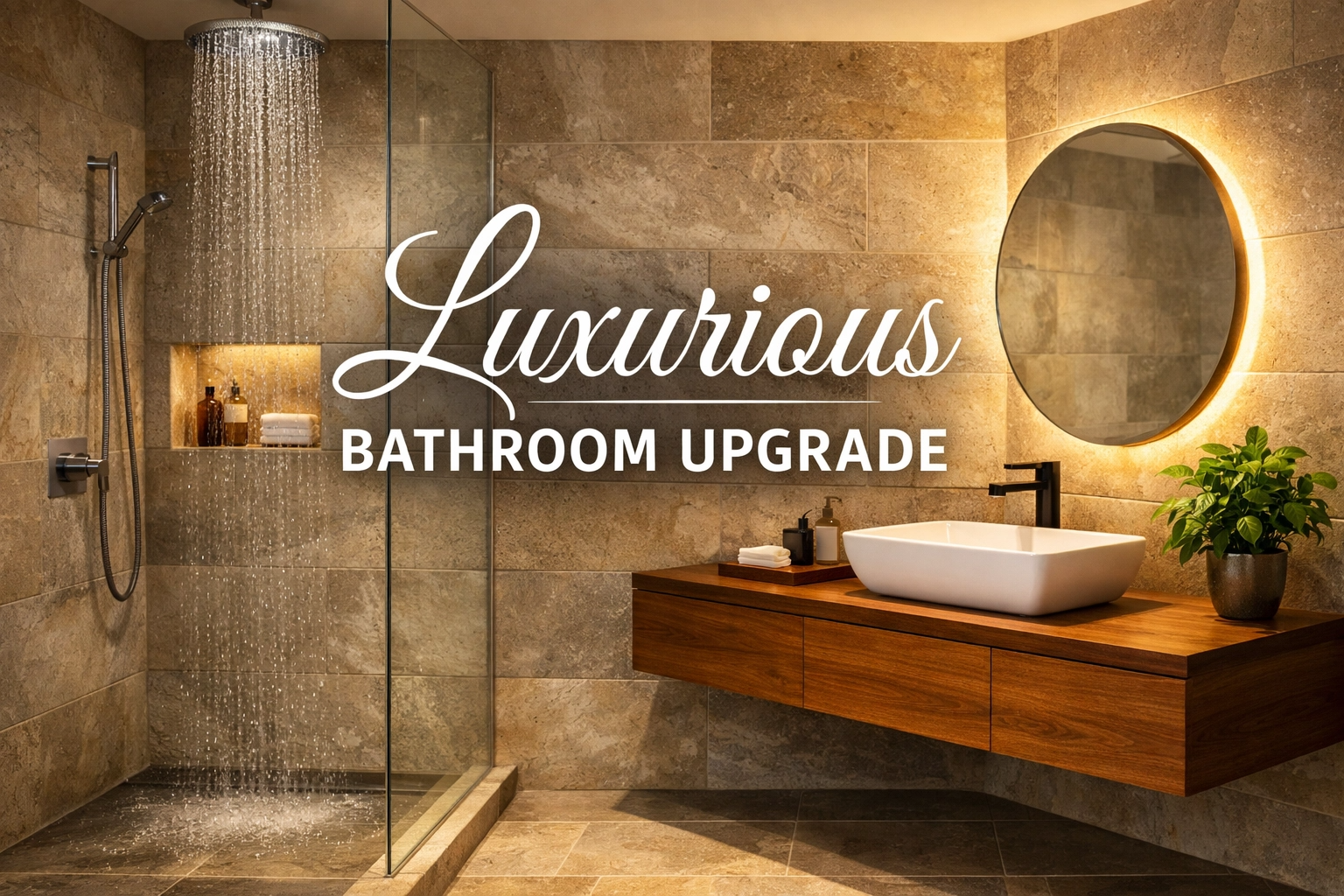
Walk-in showers without a threshold or curb create a seamless flow from the bathroom floor into the shower, making the room appear larger by removing the visual barrier of a shower pan lip or tub edge. Using the same tile in both the shower and the bathroom floor reinforces this continuity and creates a sophisticated, spa-like aesthetic. If a bathtub is required (for households with young children, for example), a freestanding tub positioned to be visible from the doorway can become an elegant focal point rather than simply a space-occupier.
Consider a corner sink or corner shower if your bathroom layout allows. Placing fixtures in the corners of the room makes better use of spaces that are otherwise awkward and difficult to use, while freeing up the more usable central floor area. Custom corner shower enclosures or compact corner vanities are available from specialty suppliers and can be surprisingly functional despite their compact dimensions.
Colour, Tile, and Visual Strategies to Maximise Space
Light, neutral colours are the classic recommendation for small bathrooms, and the advice remains sound. Light walls and floors reflect more light and recede visually, making the room feel more spacious. White, off-white, soft grey, warm beige, and pale blue are all excellent choices for small bathroom walls. However, this does not mean small bathrooms must be boring — a single accent wall in a bolder colour, or a richly patterned tile floor, can add personality without overwhelming the space.
Large format tiles are paradoxically effective in small bathrooms. While it might seem intuitive that smaller tiles would be appropriate for a smaller room, large tiles — particularly 24×24 inch or 12×24 inch formats — create fewer grout lines and less visual busyness, making the room feel more open. This effect is strongest when the same large tile is used on both the floor and the shower walls, creating an uninterrupted visual field. Lighter coloured grout that closely matches the tile further reduces visual fragmentation.
Vertical tile patterns and vertically oriented elements draw the eye upward and make ceilings appear higher. A floor-to-ceiling tile installation, with tiles laid in a vertical stack or vertical plank pattern, is particularly effective at creating this perception. Painting or tiling the ceiling in the same colour or material as the walls eliminates the visual boundary between wall and ceiling, adding to the perception of height. Installing mirrors that extend from countertop to ceiling amplifies this effect dramatically.
Glass shower enclosures — either clear frameless glass or semi-frameless designs — allow the eye to travel through the shower space rather than stopping at an opaque wall or curtain. This single change can make a bathroom feel significantly larger. A clear glass shower door paired with a consistent tile throughout the shower and main bathroom floor creates a truly seamless spatial experience. Even a glass or acrylic shower curtain in a light, semi-transparent fabric is preferable to a solid opaque curtain in a small bathroom.
Storage Solutions for Small Bathrooms
Recessed medicine cabinets are one of the smartest storage investments in a small bathroom. By building storage into the wall cavity, they provide useful space for toiletries, medications, and daily essentials without protruding into the room. Large recessed mirrors with internal cabinet shelving provide both function and the visual space-expanding benefit of mirror reflection. They are available in standard sizes that fit between standard stud spacing, making installation straightforward in most homes.
Floating vanities — wall-mounted vanity units with no legs or base touching the floor — create valuable visual openness and make the room feel larger. Like floating shelves in other rooms, they reveal the floor beneath, which contributes to a sense of space. Floating vanities also make floor cleaning easier. In a bathroom renovation, installing a floating vanity is an excellent opportunity to run a power outlet or lighting underneath it for a dramatic nightlight effect.
Over-toilet shelving and cabinet units make use of the vertical space above the toilet, which is typically unused. These can be free-standing units that straddle the toilet, or wall-mounted floating shelves. For a more built-in look, consider a custom recessed niche above the toilet, built into the wall and fitted with glass shelves. This provides storage while maintaining a clean, minimalist aesthetic.
Frequently Asked Questions About Small Bathroom Renovation
What is the best colour to make a small bathroom look bigger?
White and very light neutral colours are the most effective for maximising the apparent size of a small bathroom. However, using a single consistent colour throughout — on walls, floor, and ceiling — is often more effective than using different colours for each surface. A monochromatic approach reduces visual fragmentation and allows the eye to perceive the entire room as a single, larger space. Glossy or satin finishes on wall surfaces reflect more light than matte finishes, further enhancing the effect.
Is it worth renovating a small bathroom?
Yes, small bathroom renovations typically deliver excellent return on investment in terms of both daily enjoyment and home value. Bathrooms are consistently ranked among the top renovation projects for resale value. A well-executed small bathroom renovation that maximises functionality and creates a beautiful, spa-like atmosphere adds genuine value disproportionate to its size. The key is to focus on quality finishes and smart layout choices rather than cheap fixes.
How do I add storage to a small bathroom?
The most effective storage strategies for small bathrooms exploit vertical space (tall linen towers, over-toilet shelving, floor-to-ceiling cabinets), build storage into the walls (recessed medicine cabinets, recessed shower niches, built-in cabinetry), and choose multi-functional fixtures (vanity mirrors with integrated storage, vanity units with maximum drawer and cabinet space). Avoid freestanding storage units on the floor, which take up precious floor space and make the room feel more crowded.
Can I add a walk-in shower to a small bathroom?
Yes, and in many cases converting a bathtub to a walk-in shower is one of the most space-liberating changes you can make to a small bathroom. A walk-in shower takes up no more floor area than a standard bathtub but feels more open because there is no tub lip or barrier and the space is designed purely for showering. Frameless glass enclosures maximise this openness effect. If your household never uses the bathtub for bathing, the conversion is almost certainly worthwhile.
How much does a small bathroom renovation cost?
A small bathroom renovation can range from approximately $3,000 to $5,000 for a budget refresh (new tile, toilet, vanity, and fixtures with DIY labour) to $8,000 to $15,000 or more for a comprehensive renovation with quality materials and professional installation. The major cost factors are tile selection, fixture quality, whether the layout is changing (moving plumbing is expensive), and how much of the work you do yourself. A mid-range small bathroom renovation with a coherent design and quality materials typically comes in around $6,000 to $10,000.
Final Thoughts
Small bathrooms are a design challenge that rewards careful thought and smart decision-making. By making deliberate choices about layout, fixture selection, colour, tile, lighting, and storage, you can create a bathroom that feels spacious, functions brilliantly, and looks every bit as good as a room twice its size. The most successful small bathroom renovations are unified in their approach — every element works together to reinforce the sense of space and quality.
Do not let a small footprint limit your ambitions. Some of the most beautiful, functional bathrooms in residential design are compact rooms that maximise every inch through intelligent design. With the ideas in this guide, you have everything you need to plan a small bathroom renovation that exceeds your expectations.
Sources & Further Reading
- National Kitchen and Bath Association (NKBA) — nkba.org
- Houzz: Small Bathroom Design Ideas — houzz.com
- Architectural Digest: Small Bathroom Solutions — architecturaldigest.com

Mark Henderson
certified home improvement specialist
Mark Henderson is a certified home improvement specialist and DIY enthusiast with over 15 years of hands-on experience in residential renovation and repair. A former licensed contractor based in Austin, Texas, Mark has completed hundreds of home projects ranging from bathroom remodels to full kitchen renovations. He writes to help homeowners tackle projects confidently and safely.