
Introduction
One of the most significant decisions in any bathroom renovation is whether to include a walk-in shower, a bathtub, or both. This choice has implications for the bathroom’s functionality, its appeal to different household members and future buyers, the perceived value of the home, and the overall design aesthetic you are trying to achieve. There is no universally correct answer — the right choice depends on how your household actually uses the bathroom, the size of the space available, your renovation budget, and your long-term plans for the home.
In recent years, walk-in showers have grown substantially in popularity, particularly in primary bathrooms. The trend toward spa-like master bathrooms has elevated the walk-in shower from a practical feature to a design statement. Frameless glass enclosures, multiple shower heads, steam functionality, and integrated seating have transformed the shower into an experience rather than simply a utility. At the same time, bathtubs remain important in bathrooms used by families with young children, and a soaking tub continues to be viewed by many buyers as a desirable feature in a primary bathroom.
This guide examines the walk-in shower versus bathtub question from every relevant angle — practical use, design impact, real estate value, cost, and accessibility — to help you make an informed decision that you will be happy with for many years.
The Case for a Walk-In Shower
Walk-in showers offer a genuinely superior daily showering experience compared to a combination tub-shower. The ability to design the shower space specifically for standing use — with the right height for showerheads, optimised water pressure and spray patterns, built-in seating and niches, and easy entry without stepping over a tub lip — creates a more functional, comfortable, and enjoyable routine. For most adults who shower daily but rarely use a bathtub for soaking, a well-designed walk-in shower is simply a better use of the bathroom space.
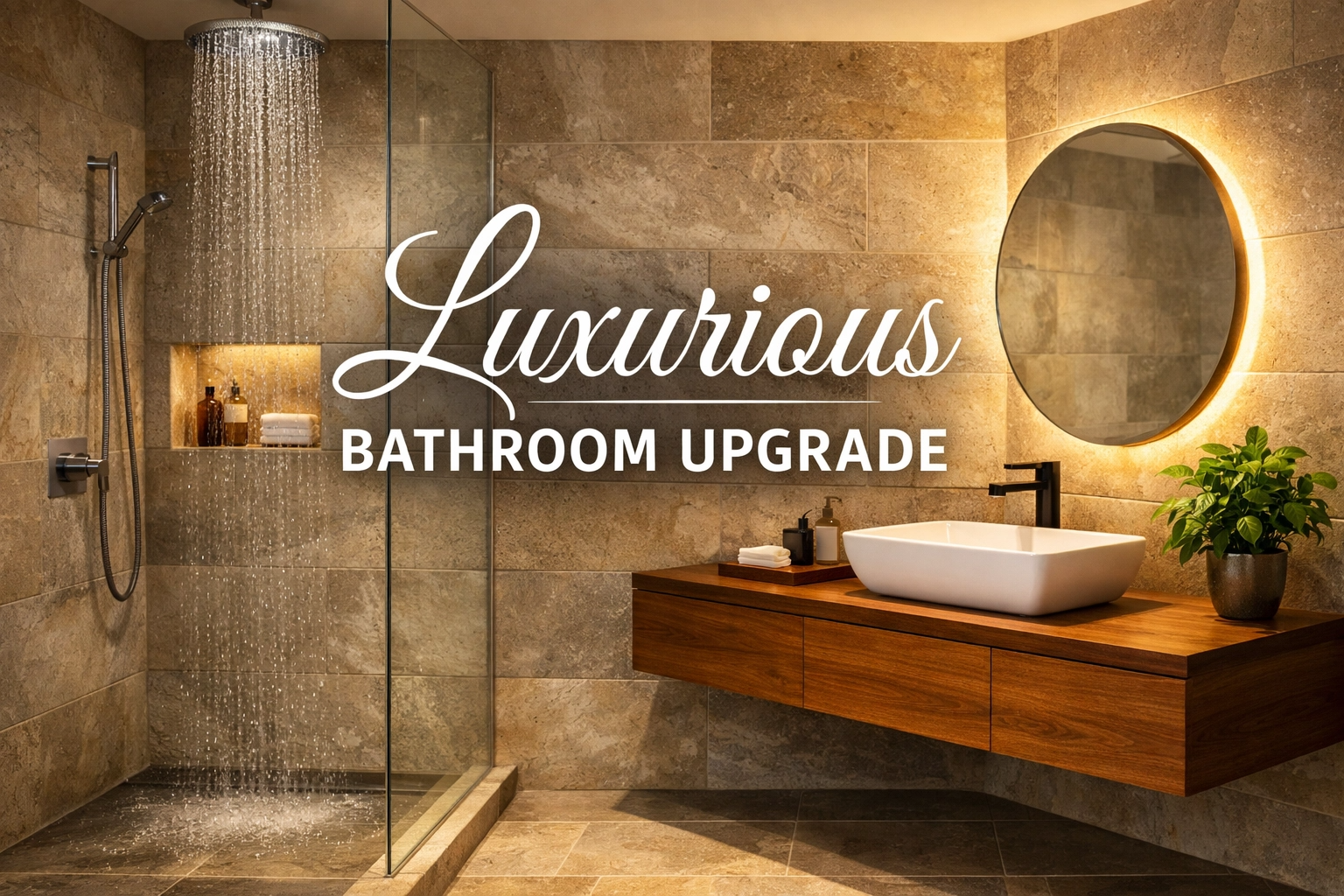
From a design perspective, walk-in showers offer far more flexibility and visual impact than bathtubs. Frameless glass enclosures open up the room visually, allowing tile and design choices within the shower to become part of the overall bathroom aesthetic. Large format tiles, feature walls, penny tile floors, steam functionality, LED lighting, and wall-mounted controls can all transform a walk-in shower into a spa-quality experience. A beautiful walk-in shower is often the single most photographed and commented-on feature in a bathroom renovation.
Walk-in showers are also significantly more accessible than bathtubs for people with limited mobility, balance issues, or physical disabilities. A zero-threshold or curbless walk-in shower requires no stepping over a barrier, making it suitable for older adults and anyone with mobility challenges. The ability to incorporate a built-in bench, fold-down shower seat, and grab bars within the shower design makes it a universally accessible bathroom feature. As populations age, this accessibility consideration is increasingly relevant for long-term home livability.
In terms of water usage and energy efficiency, showers generally use less water than baths. A typical shower uses 15 to 25 gallons of water, while a standard bathtub holds 35 to 50 gallons when full. For environmentally conscious households, this difference is meaningful over hundreds of uses per year. Low-flow showerheads reduce water consumption further without significantly impacting the showering experience.
The Case for Keeping a Bathtub
Bathtubs are irreplaceable for young children. Bathing toddlers and young children in a shower is awkward, difficult, and potentially unsafe. For families with children under 8 or 10 years of age, a bathtub in at least one bathroom is a genuine practical necessity. The primary bathroom may have a walk-in shower, but a secondary bathroom with a tub-shower combination ensures the family has a bathing option for children throughout their younger years.
For adults who genuinely enjoy and regularly use a bathtub for relaxation — whether for soaking tense muscles after exercise, practising a mindful evening routine, or accommodating certain medical needs — a bathtub is not a luxury but a valued daily or weekly use feature. If you genuinely use your bathtub several times per month, keeping it (or upgrading to a soaking tub or freestanding tub) makes more sense than replacing it with a shower you will use more often but enjoy less.
The real estate implications of removing the last bathtub from a home are real. In a home with only one bathroom, or only one bathtub, removing that tub can make the property less attractive to buyers with families. Real estate professionals consistently recommend retaining at least one bathtub in family-oriented homes and in properties where resale value is a significant consideration. If your home has two or more bathrooms, the flexibility to convert one to a shower-only primary bathroom is much greater.
Freestanding soaking tubs have become a major design trend in luxury bathrooms. A beautiful freestanding tub positioned as a focal point in a large bathroom creates an unmistakable sense of luxury and spa indulgence. If your bathroom has the space and budget, combining a large walk-in shower with a freestanding soaking tub is the gold standard of primary bathroom design — you get the best of both options without compromise.
Cost and Practical Considerations
Walk-in showers and bathtubs have different cost profiles. A basic walk-in shower with a prefabricated enclosure and single showerhead can be quite affordable. However, a custom-tiled walk-in shower with a frameless glass enclosure, rain showerhead, hand shower, and built-in niche is a significant investment — typically $4,000 to $10,000 or more for quality materials and professional installation. A standard alcove bathtub can be purchased for $300 to $700, while freestanding soaking tubs range from $800 to $5,000 or more depending on the material and brand.
Converting from a tub to a walk-in shower requires removing the existing tub, rebuilding the shower floor with appropriate waterproofing and drainage, tiling all surfaces, and installing a glass enclosure. If the existing plumbing can be reused (the drain can be relocated to the shower floor with a short extension), the conversion is relatively straightforward. If significant plumbing relocation is required, costs increase. Many homeowners underestimate the total cost of a custom shower conversion, so obtaining detailed quotes before committing is essential.
Frequently Asked Questions About Walk-In Showers vs Bathtubs
Does removing a bathtub hurt home resale value?
Removing the only bathtub from a home can negatively impact resale value and buyer appeal, particularly in family-oriented markets. However, if your home has multiple bathrooms and retains at least one bathtub, converting the primary bathroom to a walk-in shower is unlikely to hurt resale value and may actually increase it due to the luxury appeal of a well-designed walk-in shower. Consult a local real estate agent who knows your specific market before making this decision if resale is a near-term consideration.
What is a walk-in shower?
A walk-in shower is a shower enclosure that is entered by walking directly in from the bathroom floor, without stepping over a tub lip or high shower pan curb. They may be fully enclosed with glass walls and a glass door, partially open (a wet room style), or have a low-profile curb. Walk-in showers can range from small, compact units in tight bathrooms to large, feature-rich luxury spa showers with multiple body sprays, rain showerheads, and steam generators.
How big should a walk-in shower be?
The minimum recommended size for a comfortable walk-in shower is 36×36 inches, though 36×48 inches allows much more comfortable movement. A 48×48 inch or 36×60 inch shower is considered comfortable for most users. Anything smaller than 36×36 inches tends to feel cramped. For a truly luxurious experience, a walk-in shower of 60 inches by 36 inches or larger allows for dual showerheads and built-in seating without feeling crowded. Local building codes may specify minimum dimensions for shower enclosures.
Is a walk-in shower easier to clean than a bathtub?
Generally yes, particularly for those with limited mobility or flexibility, as you can stand comfortably while cleaning the shower walls and floor. However, shower enclosures with frameless glass doors require regular squeegee and glass cleaning to prevent hard water deposits and soap scum build-up on the glass. Grout lines in tiled showers require periodic deep cleaning and sealing. A bathtub surface is large and requires scrubbing, but has no glass to maintain. Both require regular maintenance — neither is truly low-effort.
Can I have both a walk-in shower and a bathtub in a small bathroom?
In a very small bathroom, having both a full walk-in shower and a bathtub is usually not practical. However, combination tub-showers — where a shower is installed above a bathtub — remain an effective space-saving solution. For separate fixtures in a small bathroom, a compact freestanding soaking tub (as small as 55 inches long) paired with a compact walk-in shower may be achievable in a bathroom of approximately 80 square feet or larger, but the layout must be planned carefully to ensure adequate clearances around each fixture.
Final Thoughts
The walk-in shower versus bathtub decision ultimately comes down to your lifestyle, your household’s needs, your bathroom’s size, and your long-term plans for the home. For households that primarily shower daily and rarely use a bath, a well-designed walk-in shower creates a superior daily experience and a more impressive bathroom overall. For families with young children, or households with at least one regular bath user, retaining a bathtub is a practical necessity. The ideal solution — where space and budget allow — is to have both, giving your bathroom maximum versatility and appeal.
Whatever you choose, invest in quality installation and materials. A well-built walk-in shower or a properly installed bathtub will serve you well for decades. A poorly installed fixture — particularly one with waterproofing deficiencies — will cause expensive problems in a much shorter time frame. Quality over cost is the right priority when it comes to your bathroom’s wet areas.
Sources & Further Reading
- National Association of Realtors: Home Remodelling Impact Report — nar.realtor
- National Kitchen and Bath Association (NKBA) — nkba.org
- The Spruce: Walk-In Shower vs Bathtub — thespruce.com

Mark Henderson
certified home improvement specialist
Mark Henderson is a certified home improvement specialist and DIY enthusiast with over 15 years of hands-on experience in residential renovation and repair. A former licensed contractor based in Austin, Texas, Mark has completed hundreds of home projects ranging from bathroom remodels to full kitchen renovations. He writes to help homeowners tackle projects confidently and safely.